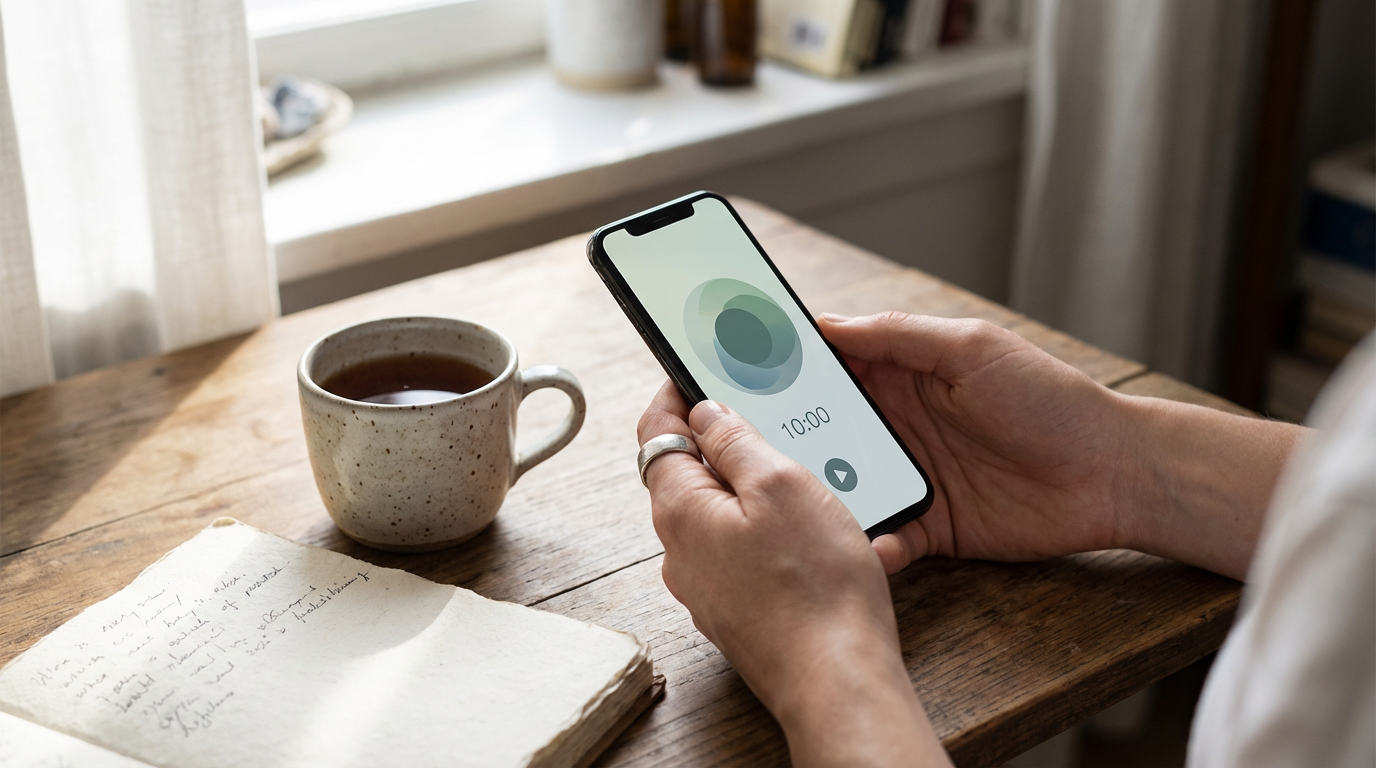
Digital wellness applications have been a growing category in the UK market for several years, but recent usage data suggests the trend has entered a more sustained phase. What began as a relatively niche interest in guided meditation has expanded into a much broader set of tools addressing sleep, anxiety, workplace stress, and long-term mental wellbeing.
Why Now
The conditions that drove initial adoption — the pandemic, sustained economic uncertainty, the erosion of boundaries between work and home life — have not resolved cleanly. Many British workers describe a working environment that remains demanding in ways that differ from the pre-2020 baseline, and the tools that became habitual during periods of acute stress have been retained as part of a broader routine.
There is also a generational dimension. Younger professionals entering the workforce have grown up with a significantly more open attitude toward mental health. Using an app to manage stress carries none of the stigma that has historically attached itself to seeking help with mental wellbeing.
What the Better Applications Actually Offer
The most widely used platforms have evolved considerably from their origins as simple repositories of guided meditation recordings. Current offerings typically include personalised programmes built around user-reported goals, progress tracking, community features, and content specifically designed for particular contexts such as workplace stress, sleep difficulty, or anxiety around specific life events.
Short-form content has proven particularly popular with professionals. Sessions of five to ten minutes, designed to fit within a lunch break or between meetings, have consistently higher completion rates than longer formats. This practical adaptation to how people actually use their time has been a significant factor in sustained daily engagement.
Employers Are Taking Note
One marker of how far the category has moved into the mainstream is its presence in employee benefits packages. A growing number of UK employers now include subscriptions to wellness platforms alongside more traditional benefits. This has introduced the category to many users who might not have sought it out independently, and retention rates among employer-provided accounts are reportedly high.
What These Apps Can and Cannot Do
Experts in digital mental health are consistent on one point: these tools work best as part of a broader approach to wellbeing rather than as standalone interventions. For managing everyday stress, improving sleep habits, and building resilience, they offer genuine value. For more serious mental health conditions, they are not a substitute for clinical support. That caveat matters, but it does not diminish the utility of the category for its intended purpose.
Editorial note: This article is intended for general informational purposes. medinitiatives.com is an independent publisher.