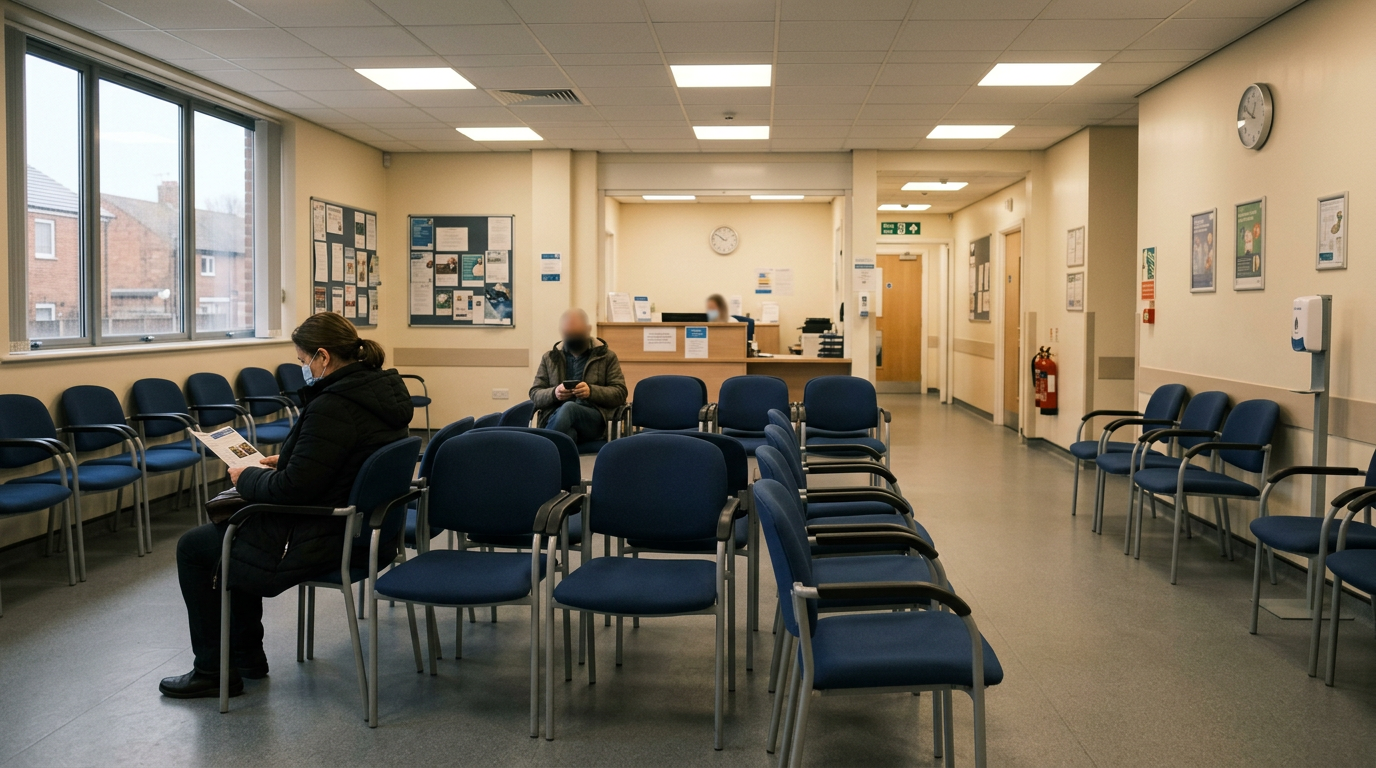
The NHS provides healthcare to everyone living in England, Scotland, Wales, and Northern Ireland — including people who have recently arrived in the UK. Understanding how to navigate the system practically makes a significant difference to whether people get the care they need at the right point, rather than either avoiding the system entirely or using emergency services for things that could be handled more simply.
Registering with a GP
A GP (General Practitioner) is your first point of contact with the NHS for most health issues. Registration is free and available to everyone regardless of immigration status, nationality, or whether they have a fixed address. To register, find a practice in your area using nhs.uk, contact the practice directly, and complete their registration form. Practices cannot legally refuse to register you solely because you lack identification documents — they can accept a letter from a support worker or similar instead.
When to Call 111
NHS 111 is a free telephone and online service for situations that are urgent but not life-threatening. It is staffed by trained advisers and clinicians who assess your situation and direct you to the most appropriate care. Good reasons to contact 111 include: symptoms you are unsure how to handle, a health concern that cannot wait for a routine GP appointment, and out-of-hours situations when your surgery is closed. Calling 111 before going to A&E often saves time — the service can book timed slots at urgent treatment centres that bypass the general waiting area.
When to Go to A&E
Accident and Emergency departments are for genuine emergencies — situations that are immediately life-threatening or where delay would cause serious harm. Examples include chest pain, difficulty breathing, suspected stroke symptoms, severe bleeding, and loss of consciousness. Using A&E for conditions that could be managed by a GP or urgent treatment centre adds to waiting times for everyone. If in doubt, call 111 first.
How NHS Prescriptions Work
When a clinician prescribes medication, they issue a prescription that can be taken to any pharmacy in England. In Scotland, Wales, and Northern Ireland, prescriptions are free. In England, there is a standard charge per prescribed item, though many people are exempt — including children under 16, people over 60, those with certain medical conditions, and people on certain benefits. If you need regular medication, a Prescription Prepayment Certificate allows you to pay a flat fee that covers unlimited prescriptions during a set period.
NHS Apps and Online Access
The NHS App allows registered patients to view medical records, book appointments, order repeat prescriptions, and access a range of other services from a smartphone. It is worth setting up once you are registered with a GP practice. Online access to records is particularly useful for people managing ongoing conditions, as it allows them to review test results and correspondence without needing to contact the practice directly.
Editorial note: This article is intended for general informational purposes. medinitiatives.com is an independent publisher.